shree varun textiles
Cotton Non Woven Fabrics
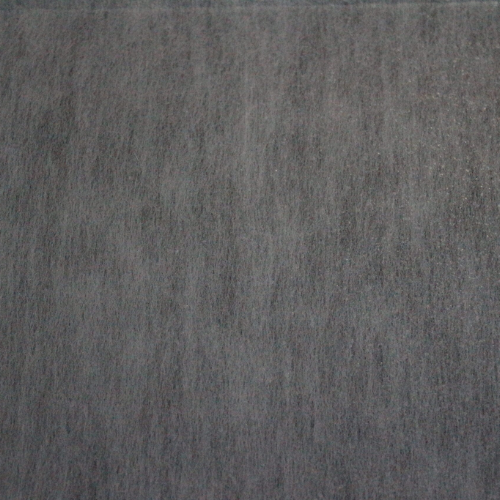
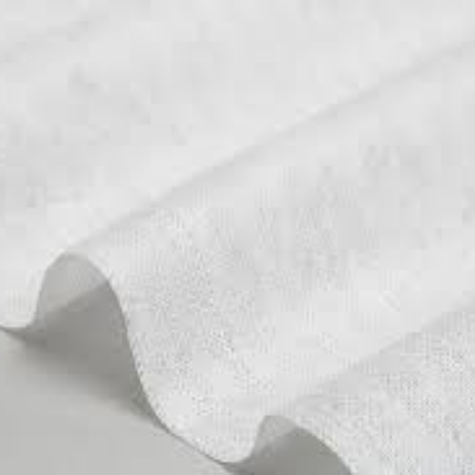
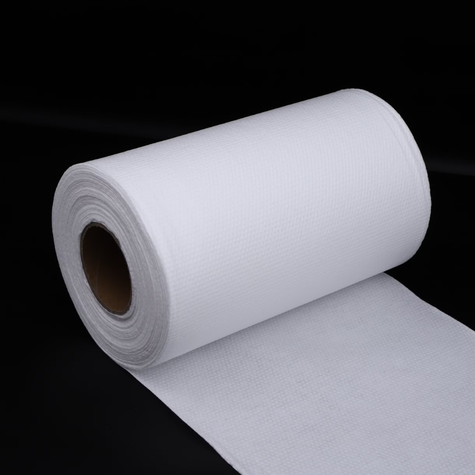
Cotton non-woven fabric is a staple in the textile industry, particularly as a high-performance embroidery backing material. It provides the essential stability needed to prevent puckering and fabric shifting during complex stitching.Cotton non-woven fabric is a staple in the textile industry, particularly as a high-performance embroidery backing material. It provides the essential stability needed to prevent puckering and fabric shifting during complex stitching.Here is a breakdown of its key features and specifications, optimized for clarity and SEO:
Core Specifications
• Versatile GSM Range: Available from 20 GSM to 75 GSM, making it suitable for everything from delicate lace to heavy-duty industrial embroidery.
• Coating Options: Offered in both Basic (Uncoated) and Coated variants, allowing for customized levels of firmness and durability based on the project requirements.
• Colour Palette: Standardized in White and Off-White to blend seamlessly with most garment linings and embroidery.
Key Benefits for Manufacturers
• High-Quality Cotton Fibers: Ensures excellent needle penetration, reducing the risk of thread breakage or skipped stitches.
• Machine Compatibility: Engineered for smooth performance on high-speed industrial embroidery machines, minimizing downtime.
• Breathability & Comfort: Unlike synthetic stabilizers, the natural cotton fibers provide a soft feel against the skin and maintain fabric breathability.
• Consistent Thickness: Guarantees a uniform surface for precise designs and a professional, clean finish.• Cost-Effective Solution: Provides a reliable, professional-grade result at a price point that supports large-scale garment manufacturing.
Primary Applications
• Embroidery Stabilizer: Ideal for stabilizing knit or stretchy fabrics during the embroidery process.
• Garment Manufacturing: Used as a structural support in collars, cuffs, and button platters.
• Professional Design: Supports intricate logo work and decorative stitching on high-end apparel.
Pro Tip: Choosing the right GSM is critical—use a lighter 20–30 GSM for summer-weight fabrics and move toward 75 GSM for heavy denim or outerwear to ensure the design doesn’t sag over time.